Choosing the right flooring is one of the most important decisions for any home or commercial space, and tile options often dominate this conversation. Among these, ceramic and porcelain tiles are two of the most popular choices due to their durability, design versatility, and ease of maintenance. While they may appear similar at first glance, understanding the key differences between ceramic and porcelain tiles is essential for selecting flooring that meets your aesthetic, functional, and budgetary needs.
This guide will break down the distinctions in composition, manufacturing, cost, and best applications to help you make an informed choice.
What Are the Key Differences in Composition and Manufacturing?
The primary distinction between ceramic and porcelain tiles lies in their raw materials and density. Ceramic tiles are made from a mixture of clay and other natural minerals, often with additional fillers to achieve the desired texture and color. These tiles are generally less dense and more porous than porcelain, which means they absorb more water. Porcelain tiles, on the other hand, are composed of finer, denser clay with additional materials such as kaolin. This composition allows porcelain tiles to be fired at higher temperatures, producing a harder, more water-resistant surface. The result is a tile that is less prone to cracking, chipping, and staining, making it ideal for high-traffic areas or environments exposed to moisture.
The manufacturing process further differentiates these two tile types. Ceramic tiles are typically pressed and fired in a kiln at moderate temperatures. Their surface may be glazed to add color, pattern, and additional protection against moisture. Glazed ceramic tiles are common for indoor flooring, offering a wide range of design options at a relatively lower cost. Porcelain tiles undergo a more refined and rigorous manufacturing process. The mixture of clays and minerals is compacted under higher pressure and fired at extremely high temperatures. This method produces a tile that is denser, less porous, and more durable than standard ceramic tiles. Porcelain tiles are often unglazed or have a very thin glaze layer, allowing them to retain their natural color throughout the thickness of the tile. This makes scratches and wear less noticeable over time.
As a result of these differences in composition and manufacturing, porcelain tiles are generally more durable and long-lasting than ceramic tiles. Porcelain’s high density and low water absorption rate make it suitable for areas with heavy foot traffic, high moisture exposure, and even outdoor installations. Ceramic tiles, while durable, are best suited for lighter residential use and indoor spaces where impact and moisture are less of a concern. Both types of tiles can provide excellent longevity if installed and maintained properly, but the additional strength and resilience of porcelain give it an edge in demanding environments.
How Does the Cost Vary Between Ceramic and Porcelain Tiles?
Porcelain tiles are typically more expensive than ceramic due to the higher-quality raw materials and more intensive manufacturing process. While ceramic tiles are more affordable and widely available in standard sizes and designs, porcelain tiles offer superior performance and a premium feel. The price difference can vary significantly depending on brand, style, and finish, but it’s important to weigh material costs against long-term durability and maintenance savings.
Installation costs for porcelain tiles are also generally higher than for ceramic. Porcelain’s density makes cutting and handling more labor-intensive, requiring specialized tools and experienced installers. Ceramic tiles, being softer and easier to work with, tend to have lower installation costs. Regardless of the type, professional installation is recommended to ensure proper adhesion, grout lines, and long-term performance. Improper installation can lead to cracking, uneven surfaces, and water damage, negating the benefits of high-quality materials.
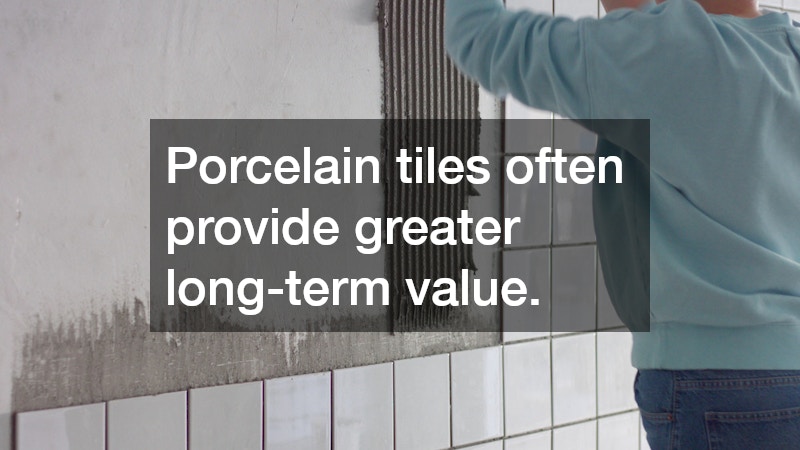
While ceramic tiles may offer a lower initial investment, porcelain tiles often provide greater long-term value. Their durability, water resistance, and low maintenance requirements make them a cost-effective choice over time, particularly in high-traffic areas, wet environments, or outdoor spaces. Homeowners and business owners may find that the higher upfront cost of porcelain is offset by fewer repairs, longer lifespan, and higher resale value for properties with premium flooring.
What Are the Best Applications for Each Type of Tile?
For residential spaces, ceramic tiles are ideal for areas such as bedrooms, living rooms, and dining rooms where foot traffic is moderate and moisture exposure is minimal. They offer an affordable way to achieve decorative patterns, vibrant colors, and design versatility. Porcelain tiles, due to their durability and water resistance, are better suited for bathrooms, kitchens, laundry rooms, and entryways, where moisture and frequent use are factors.
In commercial environments, porcelain tiles are the preferred choice for high-traffic areas such as retail stores, restaurants, office lobbies, and hotels. Their resistance to wear, scratches, and heavy loads ensures long-lasting performance, while ceramic tiles may be suitable for areas with lighter foot traffic or decorative wall applications. Porcelain’s ability to mimic natural stone or wood also makes it appealing for businesses seeking a premium aesthetic without the maintenance requirements of natural materials.
Porcelain tiles are more appropriate for exterior applications, including patios, walkways, and pool surrounds, thanks to their low water absorption and resistance to freezing and thawing cycles. Ceramic tiles, being more porous and less durable under harsh environmental conditions, are generally not recommended for outdoor use unless specifically manufactured for that purpose. Choosing the right type for outdoor installations is crucial to prevent cracking, fading, and water-related damage.
While ceramic and porcelain tiles may look similar at first glance, their differences in composition, manufacturing, durability, and cost make them suitable for distinct applications. Ceramic tiles are an excellent choice for indoor spaces with moderate traffic and limited moisture exposure, offering design flexibility at a lower price point. Porcelain tiles provide superior strength, water resistance, and longevity, making them ideal for high-traffic, wet, and outdoor environments. By understanding these distinctions, homeowners and business owners can select flooring that aligns with both functional needs and aesthetic goals. Investing in the right type of tile ensures a long-lasting, visually appealing, and low-maintenance surface that meets the demands of your space.