
- Average Lifespan Varies by Type: Top-freezer fridges last 14–17 years, bottom-freezer 12–16 years, and French-door 10–15 years, depending on maintenance and usage.
- Build Quality Matters: Higher-quality appliances with sturdy components and better insulation typically outlast cheaper models.
- Usage Impacts Longevity: Frequent opening, overloading, and improper storage habits can strain the compressor and reduce lifespan.
- Regular Maintenance Extends Life: Cleaning coils, checking door seals, defrosting, and maintaining proper temperatures prevent common issues.
- Environmental Factors Affect Durability: Placement near heat sources, high humidity, or extreme temperatures forces fridges to work harder, wearing out components faster.
- Know the Signs of Aging: Unusual noises, inconsistent temperatures, frequent repairs, ice buildup, and poorly sealing doors may indicate it’s time for repair or replacement.
- Balance Features vs. Lifespan: Top-freezer models offer maximum durability, bottom-freezer models balance convenience and features, and French-door fridges provide advanced features and style at a slightly shorter lifespan.
A refrigerator is one of the most important appliances in any home. It keeps your food fresh, your drinks cold, and your leftovers safe. But how long does a refrigerator last? Understanding the lifespan of different types of refrigerators can help you make smarter buying decisions and save money in the long run. In this guide, we’ll compare top-freezer, bottom-freezer, and French-door refrigerators to see how long they typically last and what factors can influence their longevity.
What Is the Average Lifespan of a Refrigerator?
Most refrigerators last between 10 and 20 years, depending on the type, brand, and how well they’re maintained. On average:
- Top-freezer refrigerators: 14–17 years
- Bottom-freezer refrigerators: 12–16 years
- French-door refrigerators: 10–15 years
It’s worth noting that these numbers are averages. Proper maintenance and usage habits can extend your refrigerator’s life, while neglect can shorten it significantly.
Why Do Some Refrigerators Last Longer Than Others?
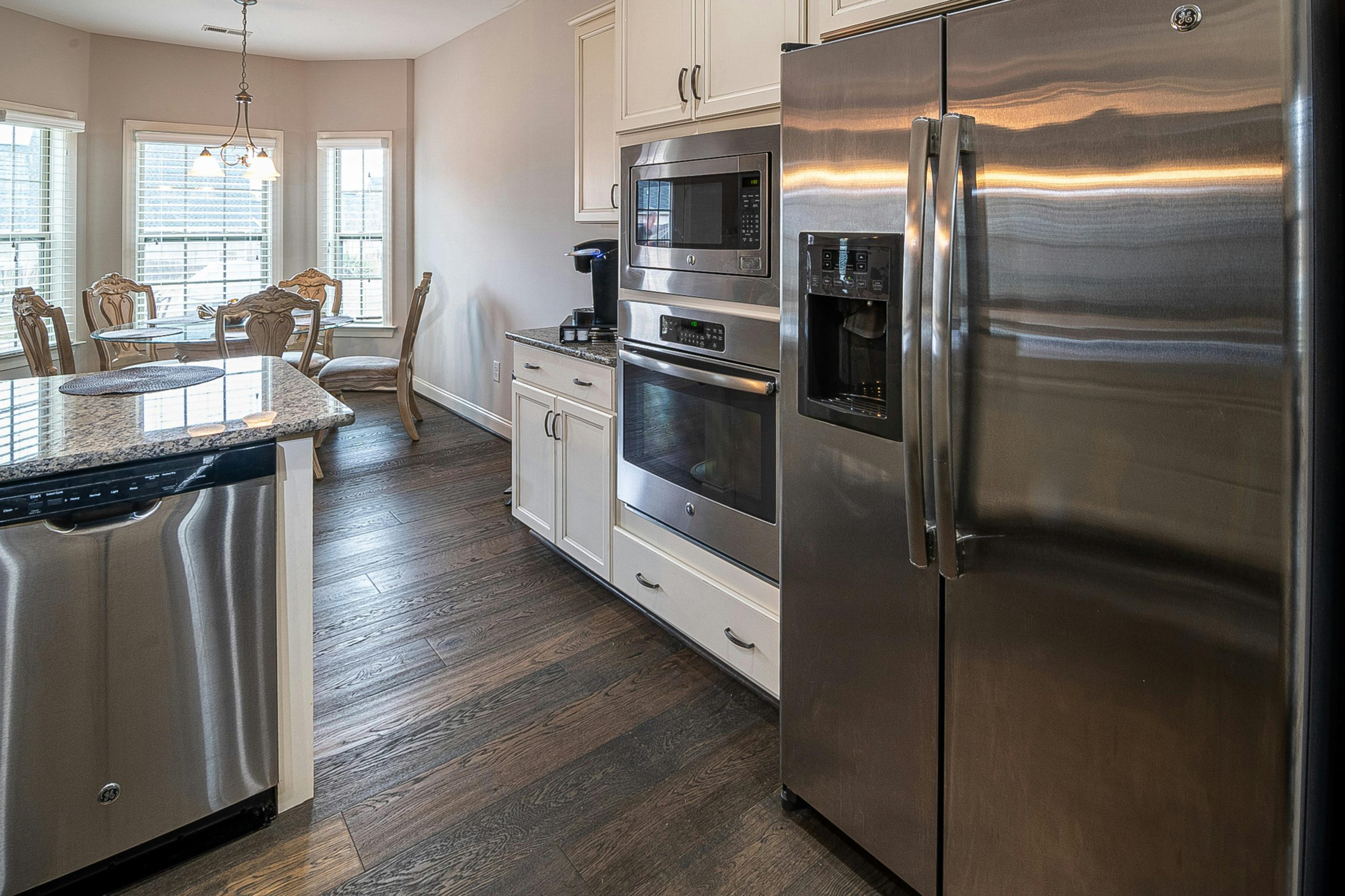
Several factors affect how long a refrigerator lasts:
- Build quality: Higher-quality appliances with sturdy components often outlast cheaper models. For example, premium brands tend to use durable compressors, reinforced shelving, and thicker insulation, which resist wear over time. Cheaper models may save money upfront but often require more repairs and replacements.
- Usage: Frequent opening, overloading shelves, or placing hot food directly in the fridge can strain the compressor and reduce lifespan. Even minor habits, like leaving the door slightly ajar or storing food in ways that block air vents, can make the fridge work harder and wear out faster.
- Maintenance: Regular upkeep is crucial. Cleaning condenser coils, checking door seals, and maintaining proper temperature settings can prevent common problems and keep the fridge running efficiently. Neglecting these tasks may shorten its life by several years.
- Environment: Humidity, extreme temperatures, or placement near heat sources such as ovens or direct sunlight can force a fridge to work harder to maintain cool temperatures, causing components to wear out faster. Placing the appliance in a cooler, ventilated space can improve longevity.
Understanding these factors is key to maximizing your appliance’s lifespan and avoiding unexpected breakdowns.
Top-Freezer Refrigerators: Classic and Reliable
Top-freezer refrigerators have been around for decades and are known for their simplicity, reliability, and long life. Their design places the freezer at the top and the fresh food compartment below, making them easy to use and maintain.
How Long Does a Top-Freezer Refrigerator Last?
Top-freezer models generally last 14–17 years, often outlasting other refrigerator types. Their straightforward design and limited electronics reduce the likelihood of component failure, making them a dependable choice for many households.
Pros of Top-Freezer Refrigerators
- Affordable compared to other models, making them ideal for budget-conscious buyers
- Energy-efficient for their size, using less power than more complex designs
- Fewer parts, which means fewer repairs and lower maintenance costs
- Wide variety of sizes available to fit small or large kitchens
Cons of Top-Freezer Refrigerators
- Less convenient access to fresh food, as you have to bend down for vegetables and other items
- Limited modern features, such as smart technology or adjustable shelving
- Basic design may not match contemporary kitchen aesthetics
Tips to Extend the Lifespan of a Top-Freezer Fridge
- Keep the coils clean to improve efficiency and prevent overheating of the compressor
- Avoid overstuffing shelves to ensure proper airflow throughout the fridge
- Maintain a consistent temperature (37–40°F for the fridge, 0°F for the freezer)
- Check door seals regularly to prevent air leaks and cold loss
Bottom-Freezer Refrigerators: Convenience Meets Function
Bottom-freezer refrigerators have become popular for their ergonomic design, placing fresh food at eye level while the freezer sits at the bottom. This layout is ideal for households that access fresh food more frequently than frozen items.
How Long Does a Bottom-Freezer Refrigerator Last?
On average, bottom-freezer refrigerators last 12–16 years. Their added convenience and additional components, such as pull-out drawers and adjustable shelving, slightly reduce lifespan compared to top-freezer models, but they remain durable with proper care.
Pros of Bottom-Freezer Refrigerators
- Easier access to fresh food without bending frequently
- Often includes modern features like adjustable shelves, crisper drawers, and door bins
- Good balance of storage space and stylish kitchen design
- Offers flexibility for organizing fresh and frozen items separately
Cons of Bottom-Freezer Refrigerators
- Freezer access can be inconvenient for those who use frozen food daily
- Typically more expensive than top-freezer models
- Slightly higher chance of issues due to extra drawers, moving parts, and added components
Maintenance Tips for Bottom-Freezer Fridges
- Clean and defrost the freezer regularly to prevent ice buildup
- Check drawer seals to maintain proper cooling efficiency
- Avoid placing heavy items on drawers to prevent damage to slides and hinges
- Keep the fridge level to ensure even cooling and proper door alignment
French-Door Refrigerators: Luxury and Style
French-door refrigerators are a favorite in modern kitchens for their stylish appearance and large storage capacity. They combine a side-by-side fridge compartment with a bottom freezer drawer, often with premium features.
How Long Does a French-Door Refrigerator Last?
French-door models generally last 10–15 years. Their advanced features, including electronic controls, water and ice dispensers, and multiple temperature zones, can increase the likelihood of repairs, but they offer unmatched convenience and aesthetics.
Pros of French-Door Refrigerators
- Wide shelves accommodate large or bulky items like party trays and pizza boxes
- Adjustable storage for customized organization and flexibility
- Often includes smart features such as Wi-Fi connectivity, temperature zones, and ice/water dispensers
- Modern design fits seamlessly into contemporary kitchens
Cons of French-Door Refrigerators
- Higher upfront cost than top- or bottom-freezer models
- More parts and electronics increase the potential for repairs
- Slightly shorter average lifespan due to complex components
Tips to Extend the Lifespan of a French-Door Fridge
- Regularly check and clean water filters to avoid clogs and leaks
- Avoid slamming doors to protect hinges and seals
- Monitor electronic components and follow manufacturer-recommended maintenance
- Maintain consistent temperature settings to prevent excessive strain on compressors
Signs Your Refrigerator May Be Near the End of Its Life
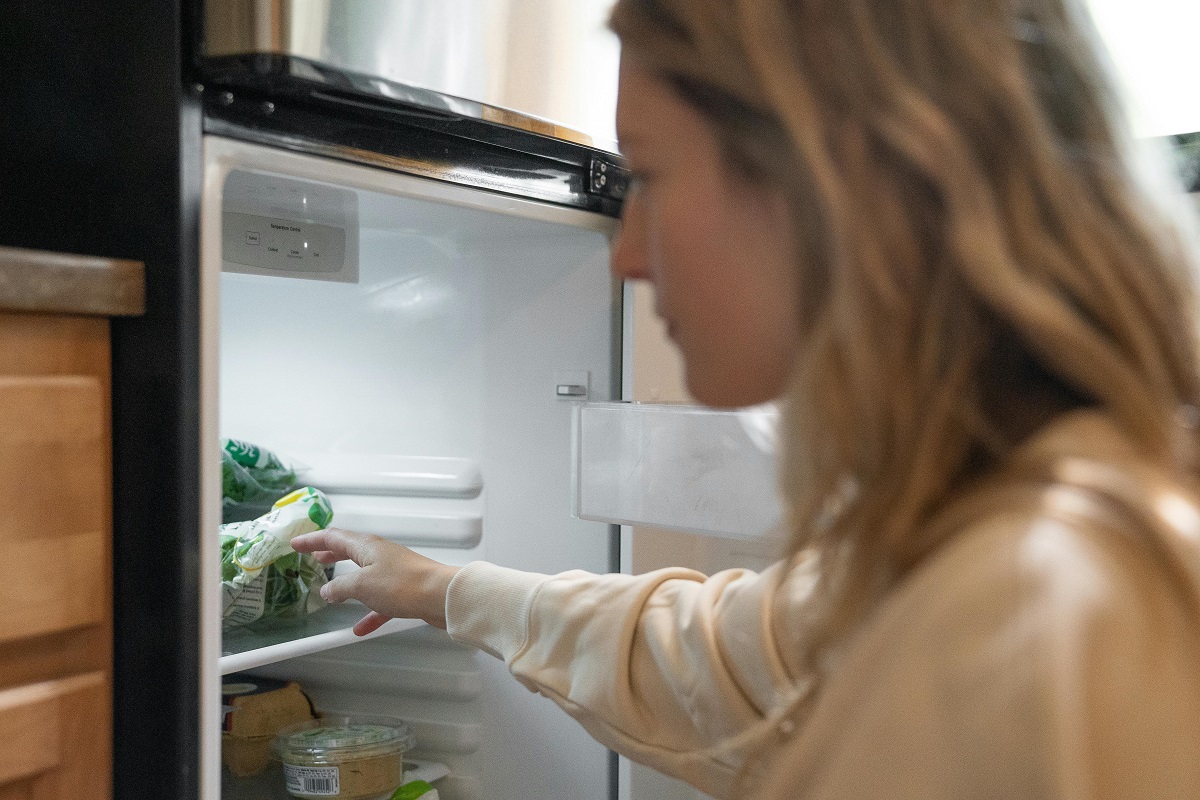
No matter the type of fridge, there are common signs that it may be nearing the end of its useful life:
- Unusual noises like buzzing, clicking, or humming: These sounds can indicate a failing compressor, motor, or fan. If the noise persists despite proper placement and cleaning, it could be a sign of major internal issues.
- Inconsistent temperatures or frequent food spoilage: If your fridge or freezer isn’t maintaining a consistent temperature, it could mean the thermostat or cooling system is failing. Spoiled food is a clear red flag.
- Frequent repairs or parts replacement: Constantly fixing broken parts or replacing components can indicate that the refrigerator is reaching the end of its lifespan. At a certain point, repair costs may exceed the value of a new fridge.
- Excessive condensation or ice buildup: Ice forming in unusual places or constant water accumulation can signal blocked vents, faulty defrost systems, or damaged seals.
- Doors that don’t seal properly: Loose or cracked door gaskets can lead to energy loss, uneven cooling, and increased wear on the compressor.
If you notice one or more of these signs, it may be time to consider repair or replacement rather than waiting for a complete breakdown.
How to Make Your Refrigerator Last Longer
No matter which type of fridge you own, these tips can help extend its lifespan and prevent costly repairs:
- Clean the coils every 6–12 months: Dust and dirt on condenser coils make the compressor work harder, reducing efficiency and longevity.
- Avoid overloading shelves and drawers: Overstuffing blocks airflow, forcing the fridge to work harder to maintain temperature.
- Keep the temperature consistent: Ideal settings are 37–40°F for the fridge and 0°F for the freezer. Avoid frequent adjustments or rapid changes in temperature.
- Check door seals regularly for leaks: Damaged gaskets allow cold air to escape, causing the compressor to overwork. Replace seals as needed.
- Perform routine maintenance as recommended by the manufacturer: This includes checking ice makers, water lines, and electronic components. Following manufacturer guidelines helps prevent unexpected failures.
- Keep the fridge level and properly ventilated: Uneven placement can affect door alignment and cooling efficiency, while proper ventilation prevents overheating of components.
Should You Repair or Replace Your Fridge?
Deciding whether to repair or replace your refrigerator depends on a few key factors:
- Age of the appliance: If your fridge is approaching the upper end of its average lifespan (e.g., 14–17 years for top-freezer, 12–16 for bottom-freezer, 10–15 for French-door), replacement may be more cost-effective than continued repairs.
- Cost of repairs: If a repair costs more than 50% of a new refrigerator, it usually makes financial sense to replace it. Frequent repairs also signal that other components may fail soon.
- Energy efficiency: Newer models often use advanced compressors and insulation, which can save money on energy bills over time. Upgrading to a more efficient fridge may justify the replacement cost.
Energy Efficiency and Lifespan
Energy efficiency affects both your wallet and the longevity of your appliance. Modern refrigerators are designed to work smarter, not harder:
- Look for Energy Star-rated models: These fridges use less energy while maintaining optimal cooling.
- Keep the fridge away from heat sources: Placing it near ovens, stoves, or in direct sunlight forces it to work harder, reducing lifespan.
- Avoid frequent door opening: Each time the door is opened, the fridge uses extra energy to maintain its temperature, increasing wear on components.
By focusing on efficiency, you not only reduce electricity costs but also prolong the working life of your refrigerator.
Comparing Lifespan vs. Features: What Matters Most?
When choosing a refrigerator, it’s important to weigh features against expected durability:
- Top-freezer: Longest lifespan, simple design, fewer features, ideal for budget-conscious buyers.
- Bottom-freezer: Moderate lifespan, ergonomic layout, more features, good balance of convenience and durability.
- French-door: Stylish, feature-rich, slightly shorter lifespan, perfect for those who prioritize advanced technology and aesthetics.
Ultimately, your choice should reflect your priorities: whether durability, convenience, modern features, or a combination of these factors matters most in your household.
Final Thoughts
Understanding how long a refrigerator lasts helps you make smarter choices when buying, maintaining, or replacing one. Top-freezer models offer the longest lifespan and simplicity, bottom-freezer designs balance convenience with moderate durability, and French-door refrigerators provide style and advanced features at a slightly shorter lifespan.
Regardless of the type, proper usage, regular maintenance, and careful placement can significantly extend your fridge’s life. By paying attention to factors like build quality, daily usage habits, and environmental conditions, you can enjoy fresh food, lower energy bills, and fewer repairs for many years, making your refrigerator a reliable centerpiece in your kitchen.