The evolution of a house into a personalized sanctuary is a multi-layered process that blends structural necessity with creative expression. Home design is no longer just about choosing a color for the walls or picking out a rug; it has become a comprehensive philosophy of living. In the modern era, our homes serve as the primary backdrop for our professional, social, and private lives. Achieving a balance between high-end aesthetics and long-term durability requires a strategic approach to every renovation project. Whether you are addressing the protective layers of the exterior or the intimate details of a master suite, the goal remains the same: to create a space that reflects your personality while functioning at the highest level of efficiency.

Strengthening The Exterior Protective Systems Of Your Property
The journey toward a beautiful home begins with a commitment to its structural health. The exterior of a property acts as a shield, protecting your interior design investments from the unpredictable elements. A primary focus for any homeowner should be the condition of the overhead protection. Over time, exposure to UV rays, heavy rain, and fluctuating temperatures will degrade even the highest quality materials. When the surface begins to show signs of age, such as granular loss or curling edges, the most effective solution is often to replace a shingle roof to ensure the interior remains dry and secure for decades to come.
Beyond the roof, the overall integrity of the facade plays a massive role in both curb appeal and energy efficiency. Well-maintained siding and properly sealed windows prevent the thermal transfer that can lead to high utility bills. By prioritizing these external systems, you are essentially buying insurance for your interior renovations. A secure, watertight envelope allows you to move forward with confidence, knowing that your new hardwood floors and custom cabinetry are safe from the threat of moisture damage or structural shifting.
Optimizing Gourmet Spaces With Strategic Planning
The kitchen is frequently cited as the most important room in the house, serving as the command center for daily activities. A successful transformation in this area requires a deep dive into the nuances of kitchen and bath design to ensure that the layout supports your specific culinary habits. Modern trends emphasize the “zone” concept, where prep areas, cooking stations, and social islands are distinct yet connected. This approach minimizes traffic jams during meal preparation and makes the space more inviting for guests.
To achieve a high-end look that is also practical, the storage solutions must be both abundant and accessible. Many homeowners find that stock options fall short of their specific needs, leading them to seek out a specialized cabinet company for custom units that maximize every vertical inch of the room. From pull-out spice racks to integrated appliance garages, custom cabinetry allows for a level of organization that stock products simply cannot match. When paired with high-performance countertops and industrial-grade appliances, these elements create a kitchen that is as much a work of art as it is a functional workspace.
Selecting Premium Foundations For Every Room
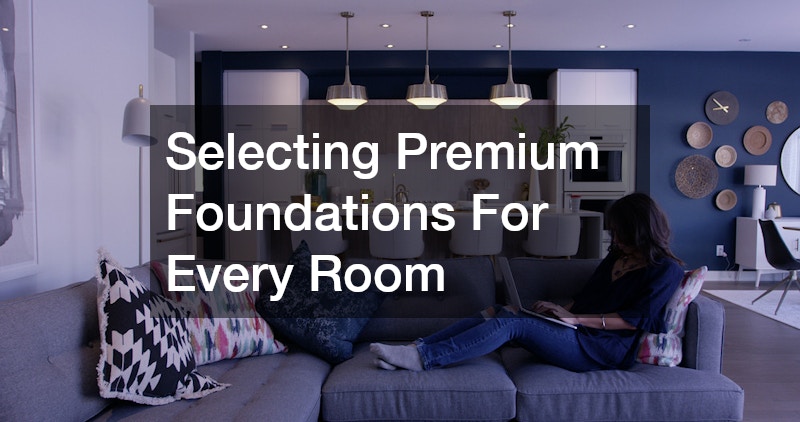
Flooring is the visual and tactile foundation of the home. It is the one design element that touches every other part of your interior, making its selection a critical decision for any remodel. For those seeking a timeless, warm aesthetic, natural wood remains the gold standard. Utilizing professional hardwood flooring services ensures that the planks are properly acclimated and installed with precision, preventing the gaps and squeaks that can plague DIY attempts. Hardwood offers an incredible lifespan, as it can be sanded and refinished multiple times to match evolving decor trends.
In contrast, areas that experience high moisture or heavy foot traffic, such as mudrooms, laundry rooms, and entryways, require a more resilient surface. A professional ceramic flooring service provides a wide array of textures and patterns that mimic stone, wood, or classic tile while offering total waterproof protection. Ceramic and porcelain are remarkably easy to maintain, making them ideal for households with pets or active children. By varying your flooring choices based on the specific demands of each room, you create a home that is both beautiful and built to last.
Enhancing Utility Areas With Durable Surface Coatings
Modern home design is increasingly looking toward the garage and basement as potential extensions of the living space. These high-impact areas are no longer just for storage; they are being converted into home gyms, workshops, and high-tech hobby rooms. To make these spaces truly functional, the floor must be able to withstand chemical spills, heavy equipment, and constant use. Applying epoxy floor coating services transforms a drab concrete slab into a vibrant, easy-to-clean surface that resists staining and impact. This upgrade not only improves the look of the space but also prevents concrete dust from circulating throughout the rest of the house.
Organization is the other half of the equation when it comes to maximizing utility. A cluttered closet or pantry can make even the most beautiful home feel chaotic. Consulting with local closet design companies allows you to create bespoke storage systems that are tailored to your wardrobe and lifestyle. These systems use adjustable shelving, specialized hanging rods, and built-in drawers to double the usable space of a standard closet. When every item has a dedicated place, the daily routine becomes significantly more efficient, contributing to a greater sense of peace within the home.
Revitalizing Private Sanctuaries For Maximum Relaxation
The bathroom has evolved from a purely functional room into a private retreat designed for decompression and wellness. Whether you are updating a powder room or reimagining a master ensuite, the focus should be on creating a serene atmosphere through the use of high-quality materials and intelligent plumbing fixtures. Large-format tiles, curbless showers, and freestanding soaking tubs are hallmarks of the modern spa-style bathroom. Because these projects involve complex waterproofing and plumbing, it is essential to hire local bathroom contractors who can guarantee the structural integrity of the wet room while delivering a flawless finish.
Lighting also plays a vital role in the bathroom’s ambiance. A successful design incorporates layers of light, including task lighting at the vanity, ambient lighting for the whole room, and accent lighting to highlight architectural features or tile work. When these elements are coordinated through the lens of professional kitchen remodeling companies, the result is a cohesive flow between the wet areas and the rest of the home. A well-designed bathroom is not just an asset for daily comfort; it is one of the most powerful drivers of a home’s market value.
Integrating Natural Stone Into The Outdoor Landscape
The modern home doesn’t stop at the back door. The transition from the interior to the exterior should be an seamless experience that encourages outdoor living. Hardscaping is the key to creating structured outdoor rooms that feel as intentional as your indoor spaces. From tiered patios to elegant walkways and retaining walls, natural stone adds a level of sophistication and permanence to the garden. Engaging a hardscaping company ensures that the grading and drainage are handled correctly, preventing water from pooling near the foundation while creating a level surface for furniture and entertaining.
Outdoor kitchens, fire pits, and stone seating walls are increasingly popular additions for those who love to host. These features extend the usability of the backyard into the cooler months and provide a venue for gatherings that is separate from the main house. The durability of stone means that these features will age gracefully, developing a patina over time that adds to the character of the property. When combined with thoughtful softscaping—such as native plants and strategic lighting—hardscaping creates a multidimensional landscape that increases the livable square footage of your estate.

Navigating The Logistics Of A Major Remodel
The success of a large-scale renovation is often determined long before the first hammer is swung. Planning is the most critical phase of the process. This involves setting a realistic budget, researching materials, and vetting contractors. A common mistake is focusing solely on the visual aspects of the design while ignoring the logistical requirements. For example, if you are planning a major kitchen overhaul, you must consider the lead times for custom cabinetry and the availability of specialized installers. By working with established firms, you gain access to a network of professionals who can streamline the timeline and manage the various moving parts of the project.
Communication is the other essential pillar of a successful remodel. Clear, consistent dialogue between the homeowner and the project manager prevents misunderstandings regarding the scope of work and the final finishes. It is also important to maintain flexibility, as unexpected issues—such as outdated wiring or hidden plumbing leaks—can occasionally arise during the demolition phase. A professional team will provide solutions rather than just problems, ensuring that the project stays on track toward your ultimate vision. By approaching your renovation with a spirit of collaboration, you can navigate the complexities of construction and arrive at a result that exceeds your expectations.
Sustaining The Value Of Your Interior Investments
Once the dust has settled and the renovation is complete, the focus shifts to preservation. A high-end home requires consistent care to maintain its luster. For hardwood floors, this means using the correct cleaning products and maintaining a stable humidity level in the house to prevent the wood from expanding or contracting. For stone countertops and tile, regular sealing is necessary to prevent staining. Maintaining these surfaces is not just about aesthetics; it is about protecting the thousands of dollars you have invested in your home’s interior.
Regular maintenance should also extend to the systems you cannot see. Checking the seals on your windows, cleaning the gutters, and inspecting the roof for minor damage can prevent large-scale issues from developing. A home is a living entity that responds to its environment. By staying proactive, you ensure that your sanctuary remains a source of joy and comfort rather than a source of stress. The most beautiful homes are those that are loved and cared for, where the design is allowed to evolve alongside the people who live within its walls.

Creating A Personal Design Language Through Decor
The final layer of any home design project is the decor—the art, furniture, and textiles that give a space its unique soul. This is where you can truly express your personality without the constraints of structural engineering. The key to a curated home is the “mix.” Combining modern pieces with antique finds, or pairing smooth textures with rough, organic materials, creates a visual tension that is both interesting and inviting. Don’t be afraid to use color to define the mood of a room, whether it’s a deep, moody blue for a study or a crisp, airy white for a sunroom.
Lighting is the ultimate tool for a decorator. Beyond the fixed lights installed during construction, lamps and sconces add warmth and character to a room. They allow you to shift the mood of the space instantly, from bright and energetic to soft and intimate. As you select the final pieces for your home, remember that design is a journey, not a destination. Your home should grow with you, reflecting your travels, your hobbies, and your changing tastes. By starting with a strong structural foundation and layering in your personal style, you create a home that is truly one of a kind.
The Future Of Residential Innovation And Sustainability
As we look toward the future, the trends in home design are increasingly focused on sustainability and “smart” integration. Homeowners are looking for ways to reduce their environmental footprint without sacrificing luxury. This includes the use of recycled materials, high-efficiency appliances, and home automation systems that optimize energy use. A smart home is not just one that has the latest gadgets; it is one where the systems are integrated to provide a more comfortable and efficient living experience.
From the protective layer of the roof to the intricate details of a custom closet, every decision you make for your home contributes to your quality of life. By choosing quality materials and working with experienced professionals, you are making an investment in your future. A well-designed home provides a sense of security and inspiration that carries over into every other aspect of your life. Whether you are just beginning to plan your first remodel or are looking for ways to refresh your current space, the principles of good design remain the same: quality, functionality, and personal expression.

Maximizing The Aesthetic Impact Of Natural Light
One of the most powerful, yet often overlooked, elements of home design is the use of natural light. The way sunlight enters a room can change the appearance of colors, textures, and the overall perception of space. During a remodel, consider how you can maximize this free resource. This might involve installing larger windows, adding skylights, or simply choosing window treatments that allow light to filter in while maintaining privacy. A well-lit home feels more spacious, more energetic, and more connected to the outside world.
In rooms where natural light is limited, the choice of reflective surfaces can help bounce light into the deeper corners of the space. Mirrors, glass tiles, and high-gloss finishes are all excellent tools for brightening a dark room. When paired with a strategic artificial lighting plan, these elements ensure that your home feels warm and inviting at any time of day or night. The interplay of light and shadow adds a dynamic quality to your interior design, making the space feel alive and ever-changing.