
An aging home possesses a distinct narrative, character, and architectural warmth that modern production builds rarely replicate. From hand-milled wood moldings, solid hardwood floors, and sturdy plaster walls to spacious lot dimensions and established neighborhood surroundings, older properties offer an undeniable baseline charm. However, living in an aging property often means confronting outdated floor plans, energy-inefficient mechanical systems, faded exterior facades, and worn interior finishes. For budget-conscious homeowners, modernizing these homes without draining financial reserves or accumulating burdensome debt requires a strategic, disciplined framework that prioritizes high-ROI updates.
Achieving a high-end, contemporary aesthetic on a modest budget relies on balancing smart sweat equity with targeted professional interventions. The goal is not to execute a mindless full-gut teardown, which can rapidly exhaust financial resources and erase the original character of the structure. Instead, the focus should center on high-impact cosmetic upgrades, smart surface restorations, and structural preservation that yields a high return on investment. By spending deliberately on foundational infrastructure and focal styling elements, you can elevate the comfort, performance, and visual appeal of your living space while staying within a realistic budget.
Before picking up a paintbrush, renting demolition tools, or ordering new materials, every homeowner must conduct a thorough property audit from the ground up. Distinguishing urgent structural and utility maintenance from high-ROI cosmetic improvements ensures that your hard-earned funds are deployed where they matter most. Protecting the structural shell, managing water drainage, and keeping core systems operational prevents minor deferred maintenance from turning into catastrophic repair bills later down the road.
Safeguarding Underground Utilities and Structural Defenses

Before allocating funds toward decorative quartz countertops, designer wall paint, or modern light fixtures, you must secure the unseen infrastructure of your property. Older homes frequently rely on legacy wastewater containment systems that require consistent oversight and periodic intervention to function reliably over the long term. Neglecting subsurface plumbing can lead to severe structural backups, contaminated topsoil, and ruined interior flooring, instantly vaporizing any interior design gains. Scheduling routine septic tank pumping every three to five years clears out accumulated sludge, prevents drain-field clogging, and ensures that your household wastewater drains quickly and safely without threatening your home or surrounding environment.
- Drain-Field Maintenance: Keep heavy vehicles, permanent sheds, and concrete patios off the subterranean disposal field to prevent soil compaction and crushed pipes.
- Water Conservation: Install low-flow plumbing fixtures throughout the interior to avoid hydraulic overloading of aging waste systems during peak daily usage times.
- Chemical Precautions: Refrain from flushing harsh commercial solvents, synthetic grease, or non-biodegradable wipes down household drains, which disrupt healthy bacterial decomposition.
In tandem with utility maintenance, safeguarding an aging wood-framed structure against hidden biological threats is critical for long-term property stability and overall comfort. Settling foundations, hairline masonry cracks, and damp crawlspaces offer easy entry points for wood-destroying insects that silently hollow out floor joists, rim joists, and wall studs over time. Partnering with a licensed pest control company allows you to conduct thorough annual inspections, install subterranean bait barriers, and eradicate active colonies before undertaking major interior wall framing or flooring updates.
- Foundation Clearing: Maintain a six-inch clear gap between soil beds and exterior wood siding to prevent termites from building hidden mud shelter tubes.
- Moisture Reduction: Direct HVAC condensate lines and downspout extensions at least five feet away from foundation walls to eliminate damp soil conditions.
- Rot Mitigation: Inspect rim joists and sill plates in the basement or crawlspace regularly, replacing water-damaged timber before re-securing new finish materials.
Addressing foundation drainage is an equally crucial component of protecting your structural envelope. Old mortar joints and masonry footings are highly vulnerable to hydrostatic pressure caused by pooling surface water. Installing seamless aluminum gutters, expanding downspout discharge pipes away from the foundation, and gently sloping topsoil away from exterior walls prevents basement seepage and eliminates severe structural settling risks.
Reclaiming Overgrown Yard Spaces and Managing Tree Health

Mature foliage is one of the greatest assets of an established neighborhood, giving an older home a sense of permanence, privacy, and grandeur that new subdivisions lack. However, decades of unchecked growth can result in dense, towering canopies that block natural sunlight, trap ambient moisture against siding, and drop heavy deadwood onto rooflines during severe storms. Contracting professional tree services allows homeowners to selectively thin dense upper canopies, strip dead weight, and lift low-hanging limbs that threaten roof shingles, solar panels, or upper-story windows.
- Crown Thinning: Remove selective secondary branches throughout the upper canopy to allow wind to pass through safely and reduce storm resistance.
- Clearance Pruning: Trim branches back at least ten feet from chimney flues, roof edges, and exterior wall siding to prevent physical abrasion and pest pathways.
- Debris Management: Chip pruned branches into organic mulch on-site to cover garden beds, suppressing weeds and conserving soil moisture without buying bagged products.
While removing dead branches enhances immediate safety, preserving the health of legacy shade trees requires specialized botanical knowledge and careful ongoing maintenance. Large oaks, maples, and pines add substantial financial value to your property, but soil compaction, fungal infections, and root damage from past utility trenches can compromise their internal vitality over time. Consulting qualified local arborists ensures that you obtain accurate soil diagnostic tests, deep-root fertilization plans, and targeted decay assessments that keep high-value trees thriving for decades.
- Soil Aeration: Utilize air-spading techniques around the root drip line to relieve compacted soil without damaging delicate root hairs.
- Disease Management: Identify early indicators of fungal rot, emerald ash borer, or leaf scorch before structural decline renders the tree unsalvageable.
- Root Zone Protection: Establish protective fencing around critical root zones during driveway repaving or exterior excavation work to prevent mechanical root compaction.
Homeowners can also tackle basic ground-level canopy maintenance as a cost-effective weekend project before bringing in heavy equipment. Using manual pole saws, bypass pruners, and hand loppers, you can safely remove low-hanging sucker growth, clear dead twigs from ornamental shrubs, and maintain clean sightlines around windows and entryways without incurring professional labor costs.
Boosting Exterior Curb Appeal and Outdoor Entertainment Areas
Once canopy safety and core utilities are secured, turning your attention to exterior presentation creates immediate visual impact and elevates overall property value. Overgrown lawns, cracked concrete walkways, weed-infested flower beds, and patchy soil beds make even a structurally sound house appear neglected, dated, and uninviting to visitors. Engaging a reliable landscaping service can accelerate the transformation of your grounds through professional regrading, turf sod installation, edge-defining stone borders, and clean mulch application that establishes crisp visual lines around your entire property.
- Perennial Selection: Choose low-maintenance, native plants that thrive in your climate zone to minimize ongoing watering and fertilizer costs.
- Hardscape Edging: Install metal, concrete, or stone border edging around planting beds to keep lawn grasses from creeping into wood chip mulched areas.
- Seasonal Layering: Group plants by height and bloom cycles to maintain continuous color, texture, and visual interest from spring through late autumn.
Expanding your functional living footprint beyond the exterior walls is another cost-effective method to make an older residence feel expansive, welcoming, and modern. Building an outdoor platform creates a natural transition from indoor living rooms to the backyard, perfect for entertaining guests without the massive expense of a full room addition. Working with an experienced custom deck builder allows you to design a tailored timber or composite structure that fits your lot’s topography, incorporates built-in bench seating, and accommodates modern outdoor kitchen elements.
- Material Selection: Choose between traditional pressure-treated pine, rich natural hardwoods, or low-maintenance capped composite boards depending on your long-term maintenance budget.
- Structural Footings: Ensure concrete footings are poured below the local frost line to prevent ground heaving from throwing the deck surface out of level.
- Integrated Lighting: Inset subtle low-voltage LED step lights and post-cap luminaires to enhance evening safety and create ambient outdoor illumination.
Complementing major hardscape installations with quick, high-impact exterior cosmetics can instantly revitalize an aging facade. Painting the front door in a bold contrasting accent shade, replacing tarnished brass house numbers with modern floating metal numbers, and updating outdated exterior porch light fixtures deliver significant curb appeal improvements at a very minimal expense.
Updating Kitchen Focal Points for Maximum Visual Impact
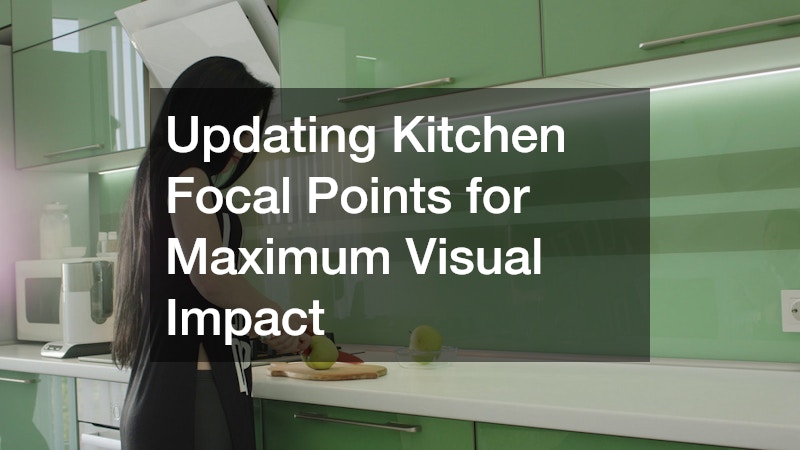
The kitchen remains the undeniable heart of the home, but outdated laminates, dark wood-stained boxes, and worn surfaces can make an aging house feel stuck in the past. Fortunately, you do not need a complete floor plan overhaul or structural wall removal to achieve a sleek, chef-inspired environment. Prioritizing modern kitchen countertop installations allows you to replace stained, scratched laminate with durable quartz, polished granite, or warm butcher block surfaces that completely alter the visual tone, cleanliness, and functional efficiency of the room.
- Material Evaluation: Compare non-porous engineered quartz against natural stone options to balance stain resistance, heat tolerance, and routine maintenance needs.
- Edge Profiles: Select clean, square, or subtle eased edge profiles to give countertops a contemporary, streamlined appearance that fits modern design trends.
- Sink Integration: Pair new counter installations with an undermount stainless steel or fireclay sink for easier counter cleanup and a smooth visual transition.
To complement modern work surfaces, addressing storage cabinetry is essential for cohesive styling and efficient organization. If original cabinet boxes are structurally sound, refacing them, applying high-adhesion cabinet paint, or replacing door fronts can save thousands of dollars compared to complete teardowns. However, for homes with cramped, inefficient layouts, broken shelving, or decaying particleboard units, investing in built-to-order custom cabinetry provides tailored storage solutions, smooth soft-close drawer slides, roll-out trays, and built-in appliance pantries that maximize every inch of vertical wall space.
- Color Palettes: Utilize two-tone finishes, such as deep navy or forest green lower cabinets paired with bright white uppers, to add depth and visual height to smaller kitchens.
- Hardware Upgrades: Replace outdated brass or wooden knobs with modern matte black, brushed brass, or tubular stainless steel pull handles.
- Lighting Upgrades: Install concealed under-cabinet LED strip lighting to illuminate work zones, eliminate shadows, and highlight decorative backsplash tiles.
Tying together new countertops and cabinetry with a modern tile backsplash creates a polished, cohesive aesthetic. Installing classic white subway tile with dark contrasting grout or choosing subtle geometric ceramic tiles offers a durable, easy-to-clean wall surface that reflects ambient light throughout the room and elevates the entire kitchen design.
Creating Spa-Inspired Bathrooms and Backyard Relaxation Zones
Bathrooms in older homes are notoriously small, often featuring pastel fixtures, worn vinyl flooring, inadequate ventilation, and scarce storage options. Modernizing these compact washrooms requires strategic fixture choices that maximize open floor space while delivering a clean, spa-like atmosphere. Replacing a bulky, water-damaged cabinet with a sleek, floating bathroom vanity creates open sightlines underneath, incorporates hidden storage drawers, and provides a crisp, modern focal point for the entire room.
- Mirror and Lighting Combinations: Hang an oversized LED-backlit mirror above the sink to reflect light, broaden spatial perception, and provide shadow-free illumination.
- Tile and Surface Choices: Use large-format porcelain wall tiles in the shower enclosure to minimize grout lines and create a seamless, elegant finish.
- Plumbing Fixtures: Upgrade to high-efficiency, wall-mounted matte black or brushed nickel faucets to save water while introducing modern industrial flair.
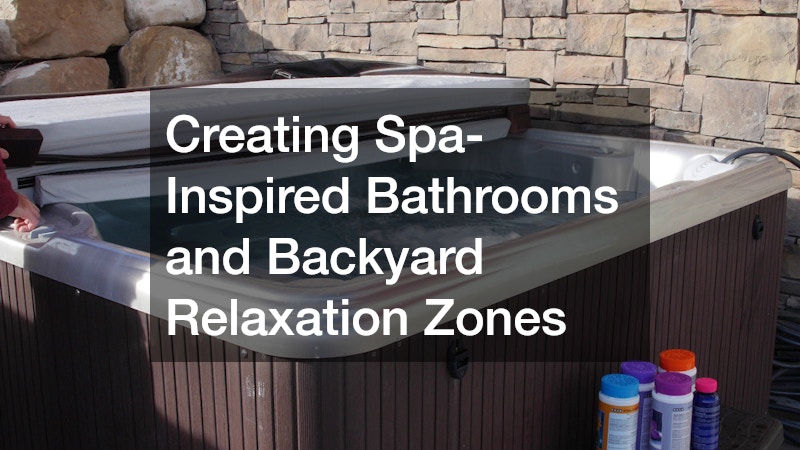
Extending the luxury feel beyond your interior washrooms into the backyard establishes a true resort-style living experience on your property. Integrating outdoor wellness amenities turns an underutilized backyard corner into a private year-round retreat for relaxation and hydrotherapy. Planning professional hot tub installations requires evaluating dedicated electrical subpanel capacity, ensuring reinforced concrete pad support, and integrating surrounding privacy screens or pergolas to create a cozy, secluded environment.
- Electrical Infrastructure: Confirm that your main service panel can support a dedicated 240-volt, 50-amp circuit before finalizing spa delivery and site placement.
- Structural Support: Pour a solid four-inch reinforced concrete slab or construct a heavily reinforced deck frame to support the significant filled weight of the tub.
- Privacy Features: Install vertical cedar privacy louvers, tall ornamental grasses, or outdoor curtains around the perimeter to shelter the relaxation zone from neighboring views.
For bathrooms where a full tub or shower tear-out is beyond the current budget, simple surface refinishing offers remarkable visual results. Professional tub reglazing can transform dated colored porcelain tubs into crisp white fixtures in a single afternoon, while re-grouting floor tiles and replacing old shower trim kits instantly restores a clean, modern feel.
Ultimately, modernizing an older residence is about honoring its original architectural soul while introducing contemporary convenience, comfort, and performance. With thoughtful planning, clear priorities, and disciplined budgeting, your property will stand as a testament to smart design, delivering a comfortable, beautiful sanctuary that serves your family well for decades to come.