
How to Decide Between Quick Repairs and Full Replacements
Few moments test a homeowner’s composure quite like the sudden failure of a major household climate or plumbing system. Whether it is an air conditioner blowing lukewarm air in the dead of summer or a furnace making strange metallic noises in mid-winter, you are instantly forced to make an expensive decision under pressure. Should you pay for a quick patch to buy a little more time, or is it time to cut your losses and invest in a full system replacement?
Making the right financial choice comes down to logic rather than emotion. Continuing to throw money at an aging, inefficient unit often costs far more over time than investing in a modern, energy-efficient setup. Conversely, replacing a young system over a minor, easily fixable component failure is an unnecessary drain on your savings. By using clear formulas like the 50% Rule, tracking equipment age, and evaluating monthly utility costs, you can confidently decide whether to repair or replace your home’s vital mechanical systems.
Phase 1: Evaluating Cooling Systems and Seasonal Breakdown Costs

When a cooling system breaks down during peak summer heat, panic can lead to hasty financial decisions. Evaluating the severity of the failure and looking at recent repair history prevents emotional overspending.
Apply the 50% Rule to Major Mechanical Failures
A reliable standard in home maintenance is the 50% Rule: if the cost of a single repair approaches or exceeds 50% of the price of a brand-new unit, replacement is almost always the smarter financial path. Another practical formula is multiplying the age of the unit in years by the estimated repair cost. If the result exceeds $5,000, replacing the system yields a much better return on investment.
-
Low-Cost Minor Components: Electrical contactors, blower capacitors, condensate line clearings, and basic thermostat rewiring are inexpensive fixes. These minor repairs are worth making on systems under 10 to 12 years old.
-
High-Cost Major Failures: Burnt-out scroll compressors, leaking evaporator coils, and reversing valve failures carry hefty price tags for parts and specialized labor, often making a patch uneconomical.
-
Refrigerant Considerations: Older systems utilizing phased-out refrigerants like R-22 carry exorbitant recharge costs. Paying to top off a leaking, obsolete system is throwing money away.
If your system suffers from minor electrical hiccups, scheduling a targeted ac repair service gets your cooling back online quickly without draining your savings account.
Track Repair Frequency to Stop Money Pit Upkeep
A single minor fix is easy to justify, but multiple service calls over two consecutive seasons signal that a system is approaching complete mechanical collapse.
-
Keep a Mechanical Logbook: Document every service visit, replaced part, and invoice total in a dedicated binder or digital file.
-
Establish an Annual Repair Limit: If you spend more than $500 to $800 annually just to keep an aging unit running, those funds are better directed toward a down payment on a new system.
-
Watch for Compounding Failures: When one major component fails due to age, companion parts like fan motors and control boards are usually not far behind due to years of shared wear and tear.
When you find yourself calling for local ac repairs multiple times a year, your system has crossed the line from a reliable appliance into a financial money pit.
Phase 2: Calculating System Lifespans and Comprehensive Climate Costs

Understanding where your equipment falls on its expected lifespan curve allows you to plan for upgrades proactively rather than reacting during an emergency breakdown.
Weigh System Age Against Monthly Utility Inefficiencies
Central heating and cooling systems generally have a functional lifespan of 12 to 15 years. Even if an older unit continues to run without breaking down, its internal efficiency degrades over time, driving up your monthly power bills.
-
Determine Manufacturing Age: Locate the metal rating plate on your outdoor condenser or indoor air handler to find the manufacture date and initial efficiency rating.
-
Compare SEER2 Efficiency Ratings: Older units operating at 10 or 12 SEER consume significantly more electricity than modern 16 to 20 SEER2 variable-speed systems. The monthly energy savings from a new unit can help offset its purchase price.
-
Factor in Utility Rebates: Modern high-efficiency systems often qualify for federal tax credits and local utility rebates, lowering the net cost of an upgrade.
When an aging unit suffers a major failure near the end of its typical lifespan, opting for a complete hvac replacement eliminates unexpected breakdown stress while lowering monthly utility bills.
Evaluate Whole-House Mechanical Health Beyond a Single Appliance
A home climate system works as an interconnected network. Installing a brand-new outdoor condenser while leaving an outdated, rusted indoor coil or undersized ductwork in place compromises overall performance and risks voiding manufacturer warranties.
-
Conduct Load Calculations: Ensure your equipment is properly sized for your home’s current square footage and insulation levels using an industry-standard Manual J calculation.
-
Check Equipment Compatibility: Pairing mismatched indoor and outdoor units reduces overall efficiency and puts undue strain on the compressor.
-
Schedule Whole-House Audits: Working with an established, licensed HVAC company ensures your entire climate system is evaluated as a cohesive unit rather than isolated parts.
Phase 3: Assessing Water Lines, Drainage, and Major Household Utilities
Plumbing and water distribution networks operate out of sight behind walls and beneath floors. Knowing when a plumbing issue is an isolated fix versus a sign of widespread system deterioration prevents costly water damage.
Identify Structural Pipe Decay Versus Isolated Fixture Leaks
Plumbing issues range from simple washer replacements to catastrophic main line collapses. Differentiating between localized fixture wear and systemic pipe decay is critical to budgeting correctly.
-
Isolated Fixture Repairs: A dripping faucet, a sticking toilet flapper, or a slow sink drain are isolated issues that can be fixed quickly and affordably.
-
Systemic Pipe Degradation: Multiple pinhole leaks in copper piping, flaking galvanized iron lines, or recurring main line backups point to widespread pipe decay that minor patches cannot solve.
-
Schedule Video Camera Inspections: If main drains backup repeatedly, a video sewer scope inspection reveals whether the cause is a simple clog or structural root intrusion and cracked piping.
When facing persistent drainage issues or widespread water pressure drops, hiring a professional plumbing service provides an accurate diagnostic evaluation of your home’s piping health.
Audit System-Wide Maintenance and Seasonal Service Plans
Preventive maintenance is the most effective way to delay costly replacements across both plumbing and HVAC systems. Enrolling in structured maintenance programs keeps equipment running at peak efficiency.
-
Bundle Seasonal Tune-Ups: Comprehensive service plans include pre-spring cooling checks and pre-fall heating inspections to catch worn parts early.
-
Enjoy Member Perks: Many service agreements offer priority emergency dispatch, discounted repair parts, and waived trip fees.
-
Ensure Professional Care: Utilizing multi-trade HVAC services guarantees that blowers, coils, safety switches, and electrical connections are routinely cleaned and tested by trained technicians.
Phase 4: Optimizing Indoor Air Quality and Air Distribution Networks
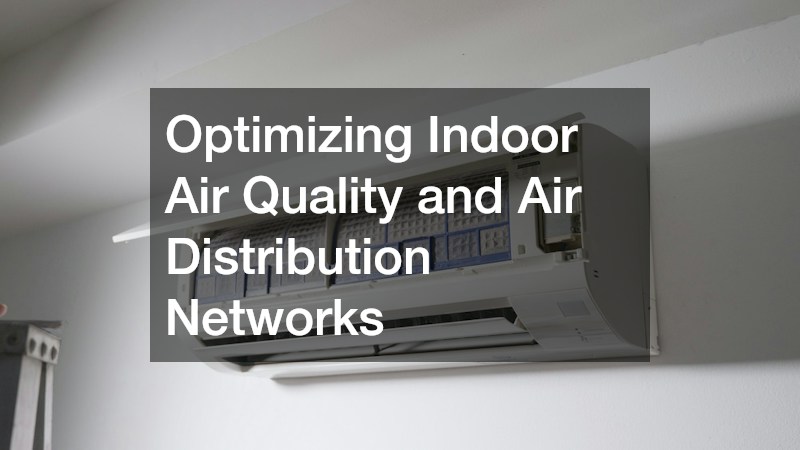
Sometimes, poor indoor comfort, high dust levels, or hot and cold spots are blamed on a dying heating or cooling unit when the real culprit is a degraded duct network.
Inspect Ductwork Integrity Before Replacing Core Machinery
Even a brand-new, top-of-the-line heat pump or furnace will underperform if it pushes air through crushed, disconnected, or filthy ductwork.
-
Check for Air Leaks: Inspect accessible duct runs in attics and basements for loose joints, fallen flex duct, or deteriorating tape that lets conditioned air escape.
-
Measure Static Pressure: High static pressure caused by undersized or clogged ducts strains blower motors and reduces airflow to distant rooms.
-
Clear Internal Debris: Over years of operation, dust, pet dander, and construction debris accumulate inside air ducts, restricting airflow and reducing indoor air quality.
Scheduling a thorough air duct cleaning removes accumulated debris, restores proper airflow velocity, and allows your heating and cooling equipment to run efficiently.
Choose Between Regional Specialists and Full-Service Climate Teams
When faced with system repairs or system replacements, selecting the right service contractor is just as important as choosing the equipment itself.
-
Verify Licensing and Insurance: Always confirm that any contractor working on your home holds valid state licensing, general liability insurance, and worker’s compensation coverage.
-
Check Manufacturer Certifications: Look for trade professionals who carry factory authorization from major equipment brands, ensuring they receive ongoing technical training.
-
Get Multiple Bids: For major installations or repairs, gather at least three detailed quotes to compare scope of work, equipment warranties, and pricing.
Getting written estimates from certified local air conditioning contractors ensures you receive fair pricing and expert guidance tailored to your climate zone.
Phase 5: Executing Long-Term Upgrades and Vendor Selection

When the math clearly indicates that replacing an aging system is wiser than making another repair, executing the installation correctly ensures decades of reliable performance.
Vet Contractor Licensing, Guarantees, and Equipment Warranties
The quality of the installation matters just as much as the brand of equipment you purchase. An improper installation can reduce system efficiency by up to 30% and lead to premature mechanical failure.
-
Review Warranty Coverage: Ensure your replacement quote includes both a 10-year manufacturer parts warranty and a minimum one-year labor warranty from the installer.
-
Demand Written Estimates: Itemized quotes should clearly state equipment model numbers, SEER2 ratings, electrical work, duct modifications, and permit fees.
-
Select Experienced Installers: Partnering with established heating and air conditioning companies provides peace of mind that the contractor will be around to honor their labor warranties in the years ahead.
Plan for Permitting, Rebates, and Professional Installation Quality
A proper installation requires local building permits, precise system charging, and thorough post-installation testing to guarantee safety and efficiency.
-
Pull Required Permits: Municipal building permits ensure that electrical wiring, gas connections, and structural mounting meet local safety codes.
-
File for Financial Rebates: Work with your installer to submit necessary documentation for federal energy efficiency tax credits and local utility cash rebates.
-
Confirm Complete System Commissioning: On installation day, verify that the technician conducts a full commissioning check, testing airflow CFM, refrigerant charge, and safety shutoffs.
Investing in certified local hvac installations ensures your new equipment is calibrated correctly from day one, maximizing energy savings and delivering reliable comfort for years to come.
Deciding whether to patch up an existing system or invest in a full replacement does not have to be an overwhelming process. By taking emotions out of the equation and applying clear financial guidelines, you can make a smart decision that protects your household budget and long-term comfort.
To determine the best path forward for your home today, follow this simple diagnostic action plan:
-
Calculate the True Financial Threshold: Apply the 50% Rule—if a single repair estimate exceeds half the cost of a brand-new system, replacement is almost always the wiser financial move. Additionally, multiply the age of your equipment in years by the repair estimate. If that total exceeds $5,000, your money is far better spent as a down payment on a new installation rather than a temporary patch.
-
Audit Your Monthly Utility Inflation: Track your gas, electric, and water bills over the past 12 to 24 months. If your energy consumption is steadily climbing despite routine maintenance and consistent thermostat settings, your aging equipment has lost its operational efficiency. Paying an extra $50 to $100 every month in inflated energy bills is a hidden cost that directly offsets the investment of a high-efficiency upgrade.
-
Evaluate Whole-House System Synergy: Inspect your surrounding infrastructure before making a decision. Check your ductwork for static pressure restrictions, audit your plumbing lines for structural corrosion, and review your repair log for the past two years. If multiple components across the system are failing in quick succession, patching a single part will not prevent the next weak link from breaking down.
-
Vet Certified Trade Partners Methodically: Never accept a major replacement quote without due diligence. Gather itemized, written estimates from licensed, insured local contractors who provide detailed Manual J load calculations, transparent equipment model numbers, clear labor warranties, and assistance with utility rebates.
By shifting from a reactive mindset to a logical, data-driven strategy, you can navigate unexpected equipment failures with total confidence—ensuring your home remains safe, comfortable, and financially sustainable for years to come.